Hair Transplant & Plastic Surgery in Instanbul | Turkey
Dental Esthetics
at estethica Istanbul
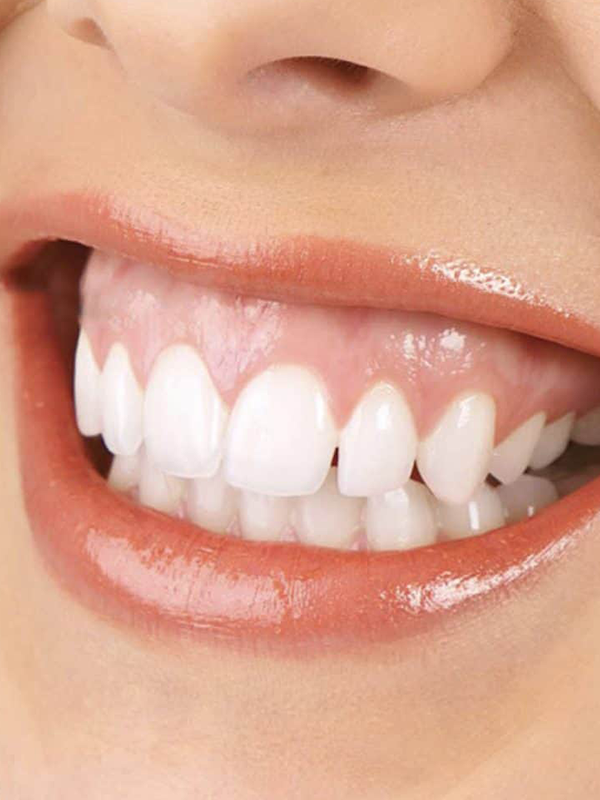
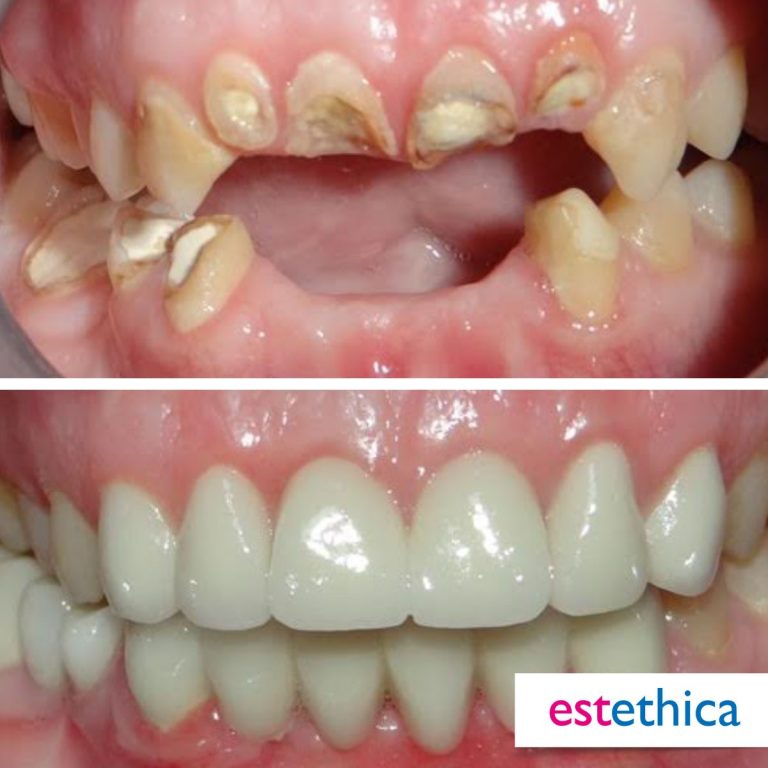
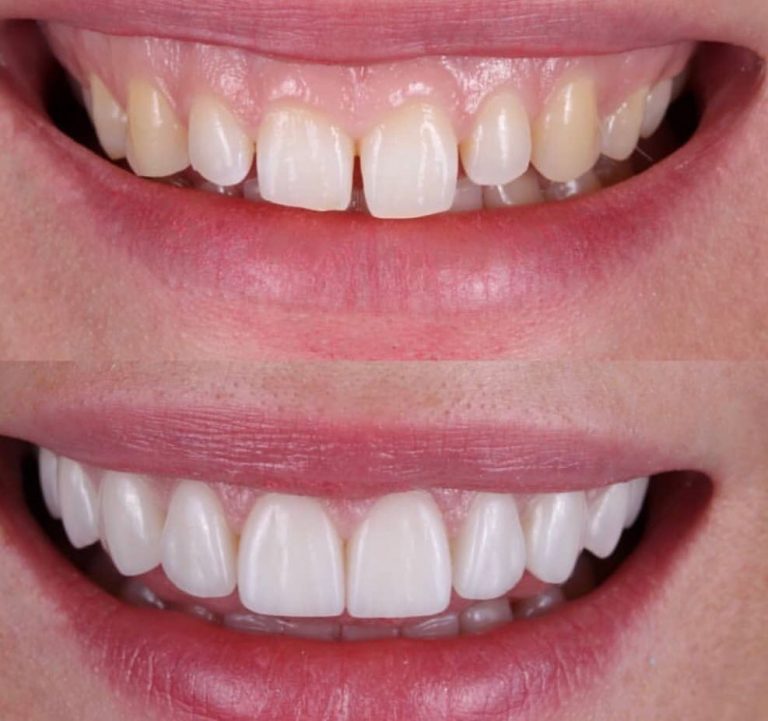
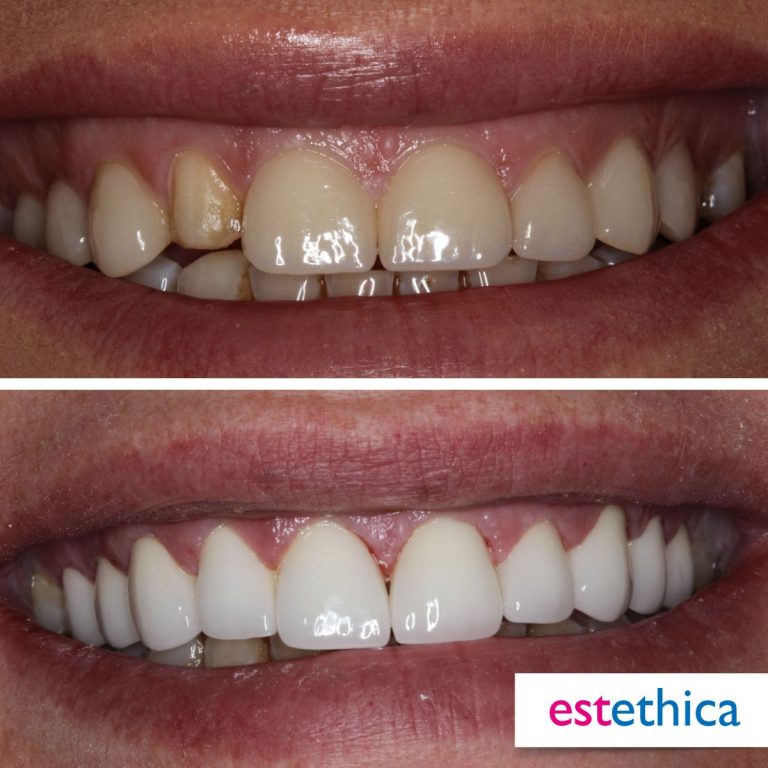
What is tooth and smile aesthetics?
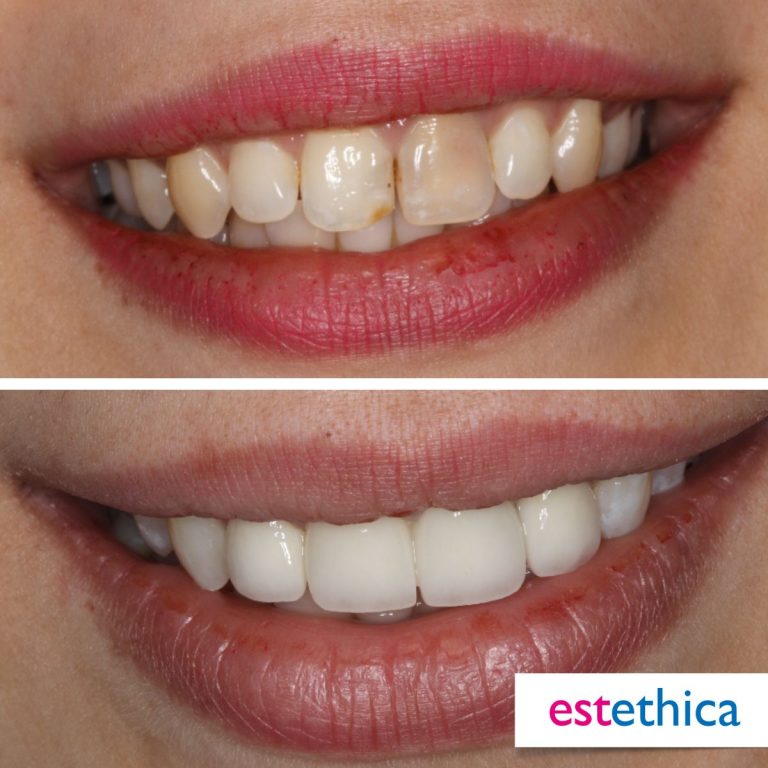
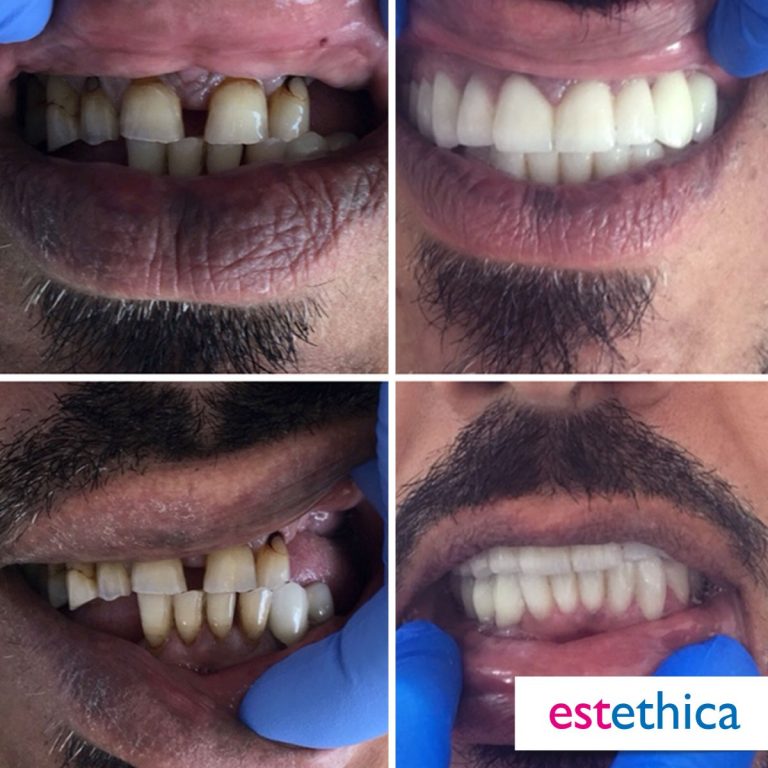
Tooth and smile aesthetics; include the detection and treatment of the position, shape, color and structural defects of teeth and gum by computer-assisted, detailed and intelligent analyzes.
Tooth and smile aesthetics are practiced by our expert dentists in their field.
The main areas of interest are:
Disorders of tooth alignment, color, size, shape, ratios to each other and gaps between them
Tooth and gums appearance disorders
Disappearance of smile symmetry
Lost teeth
What is CadCam technology that makes a difference in tooth and smile aesthetic?
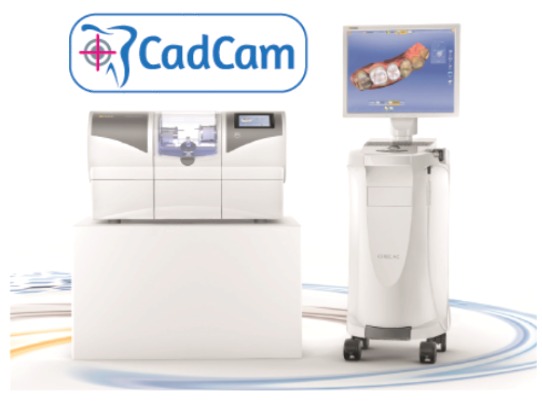
Computer-aided imaging, design and production technology (CadCam) is the most modern technology in the country, which is used in a very few select clinics, and provides successful results in tooth and smile aesthetics.
CadCam technology's main differences in different stages of tooth and smile aesthetic treatments are:
1-Computer aided imaging and measurement taking
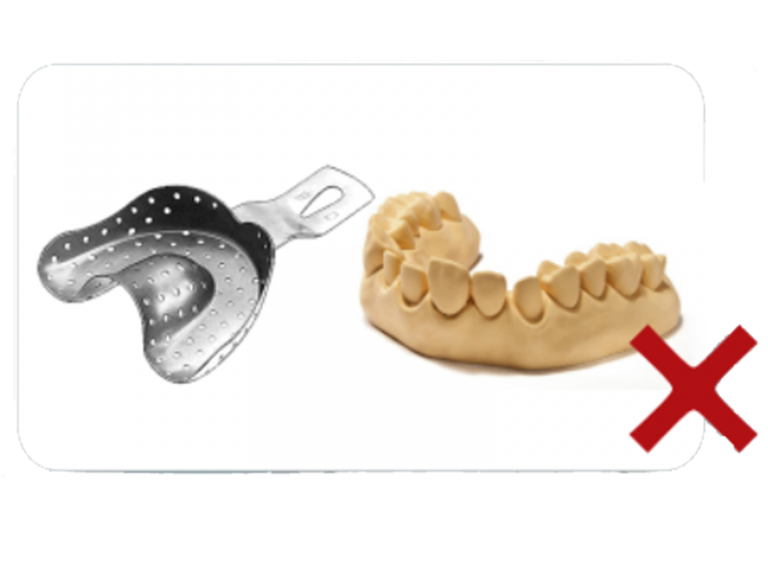
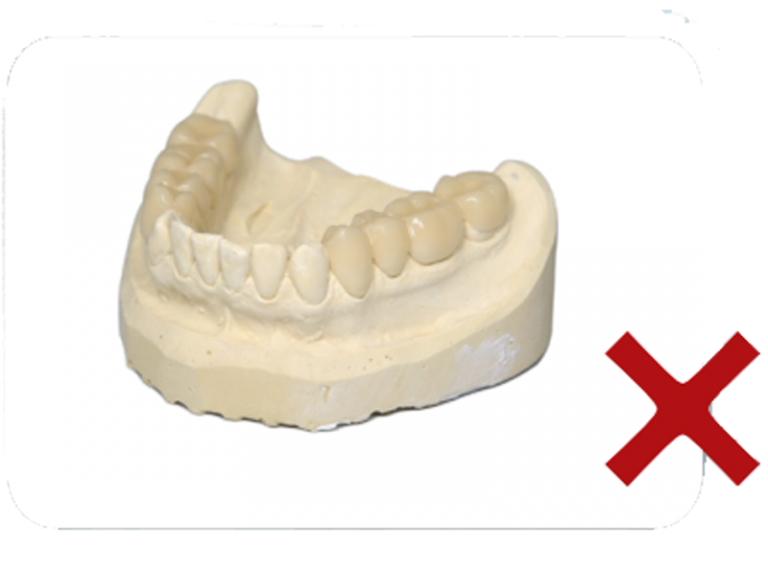
Classic application
Dental impression with the so-called “Dental Impression Trays” is difficult and uncomfortable for both physicians and patients. Classic impression taking procedure can cause conventional gag and nausea. At the same time, the measurement does not have sufficient quality, and it does not allow the production of prostheses compatible with the mouth structure and the correct size.
uncomfortable and high margin of error
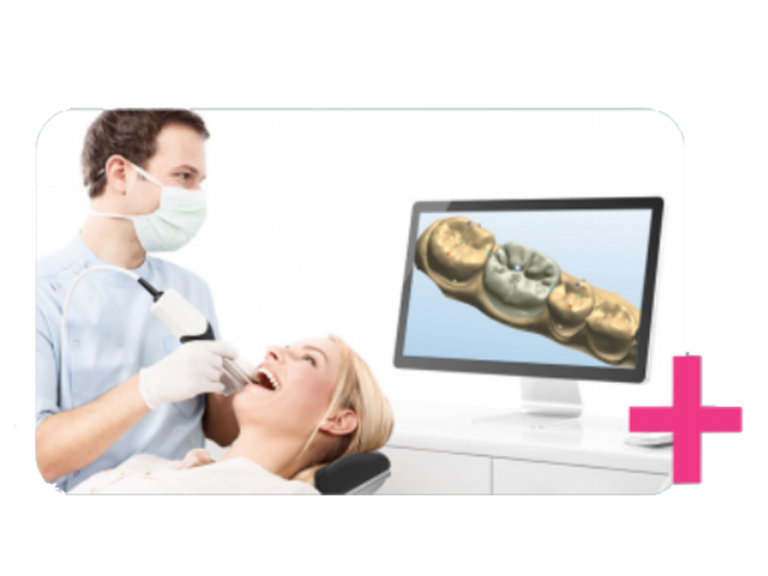
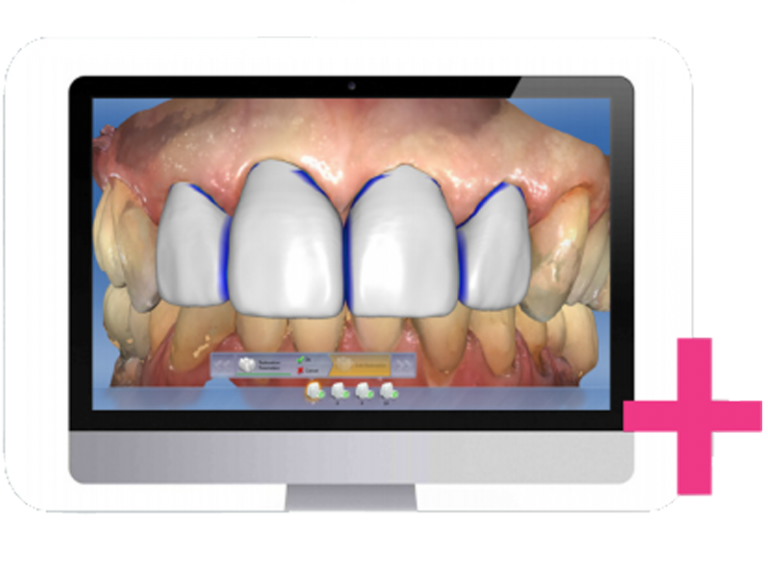
CadCam
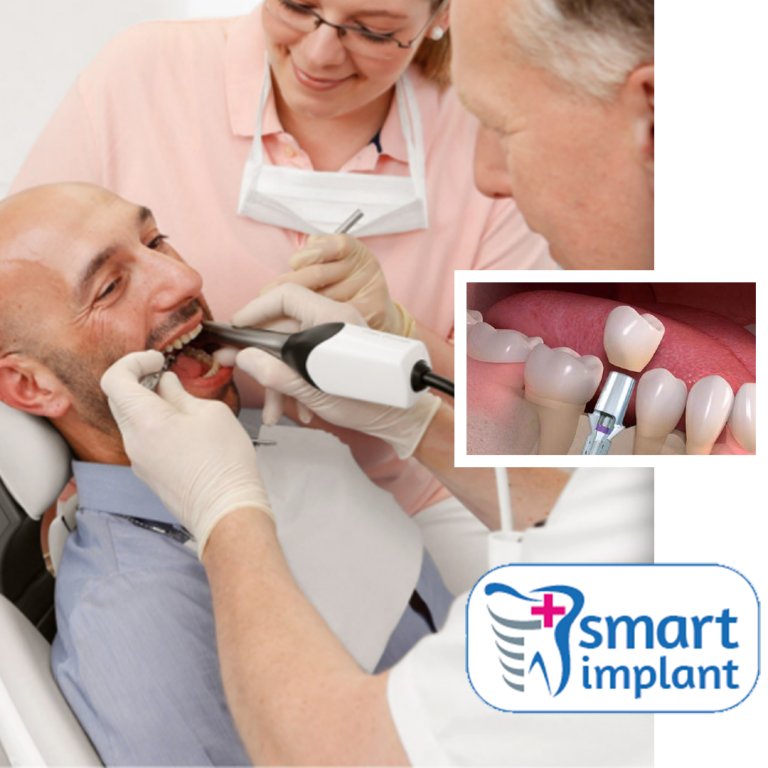
The images taken from the mouth without disturbing the comfort of the patient through the cameras allow the mouth structure to be displayed on the screen in a millimetric manner via the optical readers, that is to say that it provides 3D and very clear mouth measurement.
Computer-aided, comfortable, clear and three-dimensional measurement
2-Computer aided design
Classic application
The design made according to the measure taken with the classical methods becomes visible after it is produced. It is impossible for the design to be seen before the prosthesis outcome, and revising it according to one’s expectations will cause waste of time and production difficulties.
High error shaping and only after production seen design
CadCam
Carrying of the mouth structure one-to-one to the computer allows any kind of tooth and gingival design to be planned in the digital environment again. The designs are displayed on the screen and synthesized by the suggestions of the physician. With laser pplication, gums are also treated to provide pink aesthetics.
Clear and changeable design that can be displayed on screen
3-Computer aided manufacturing
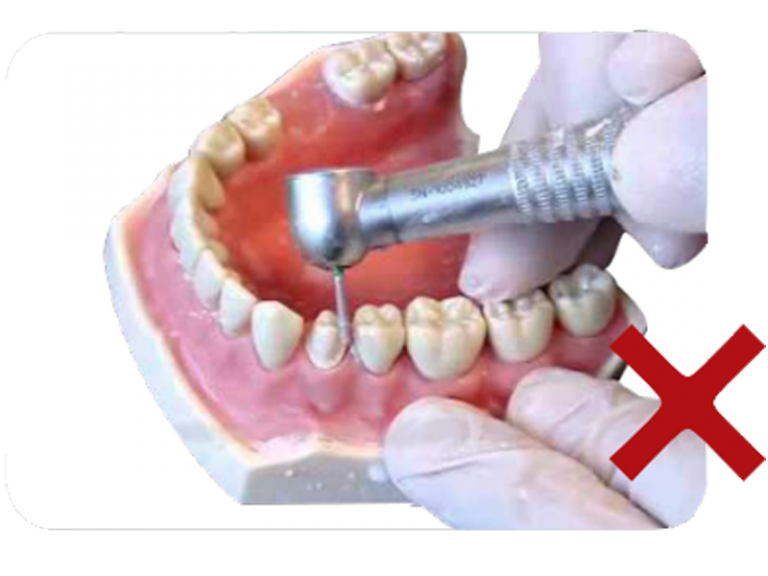
Classic application
It is a dental production process that takes days and requires rehearsals. Measuring error can lead to the production being inaccurate. The success of the restoration depends on the experience and meticulousness of the laboratory that produces it. Restorations may not be able to adapt to the mouth, and there may be problems such as gaps between the teeth that can cause food accumulation.
Compatibility problems with mouth Observable compatibility problems with mouth in manuel production
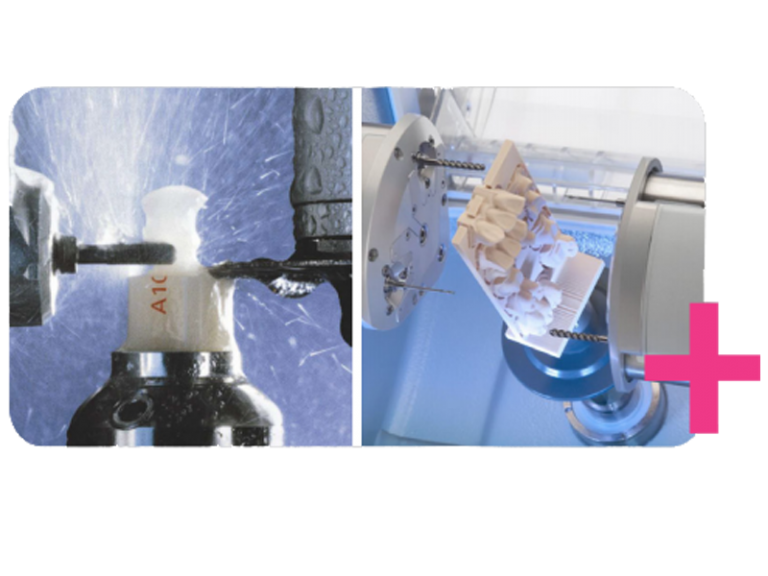
CadCam
Planned designs in the computer environment pass through the computer environment in 3D. Zirconium, empress and empress e-max porcelain-containing prostheses are produced without hand-tethering with computer-aided devices. In a much shorter time, and sometimes even within the same day, new teeth can be obtained. Completion of the restoration is much higher. CadCam technology allows for more aesthetics in tooth production and the use of more compatible materials with the human body.
Lowest level of compliance problem with the mouth in digital production
What treatments do teeth and smile aesthetics contain?
1-Pink esthetic (Periodontal plastic surgery)
Aesthetic applications made in the gums are called “pink aesthetics”. Dental lasers are used in esthetica in pink aesthetic applications. Laser therapy allows painless and bleeding-free pink aesthetic applications without local anesthesia and shortens the healing period and serves the desired result in a much shorter time.
2-Teeth whitening
A procedure for bleaching the tooth. Light and moderately intense colors can be whitened with laser application, whilst at home whitening can be applied in further discoloration.
3-Zirconium crowns
Porcelain dental prostheses with zirconium base provide an important aesthetic advantage with their light permeability and transparency.
What is Smart Implant?
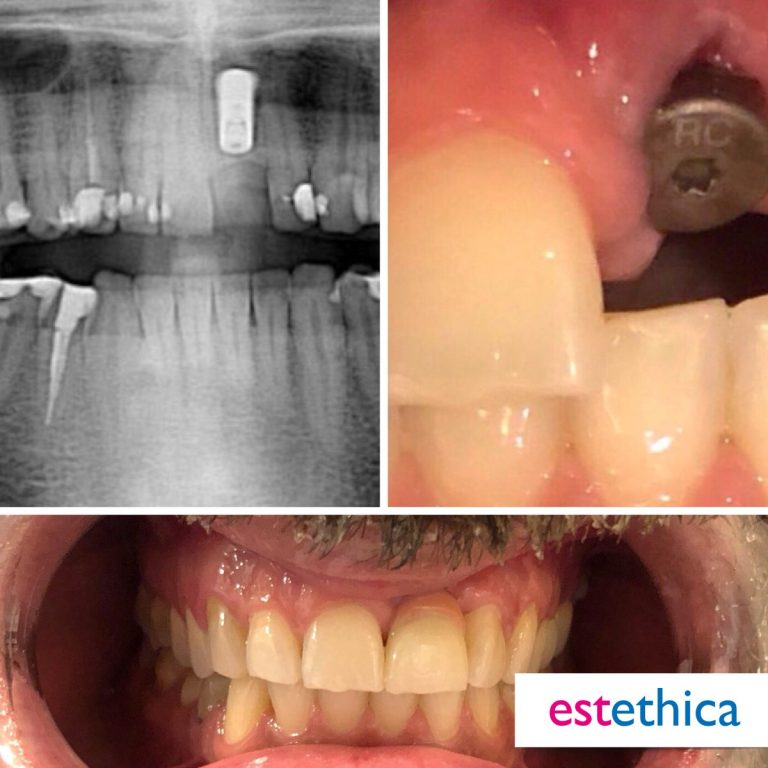
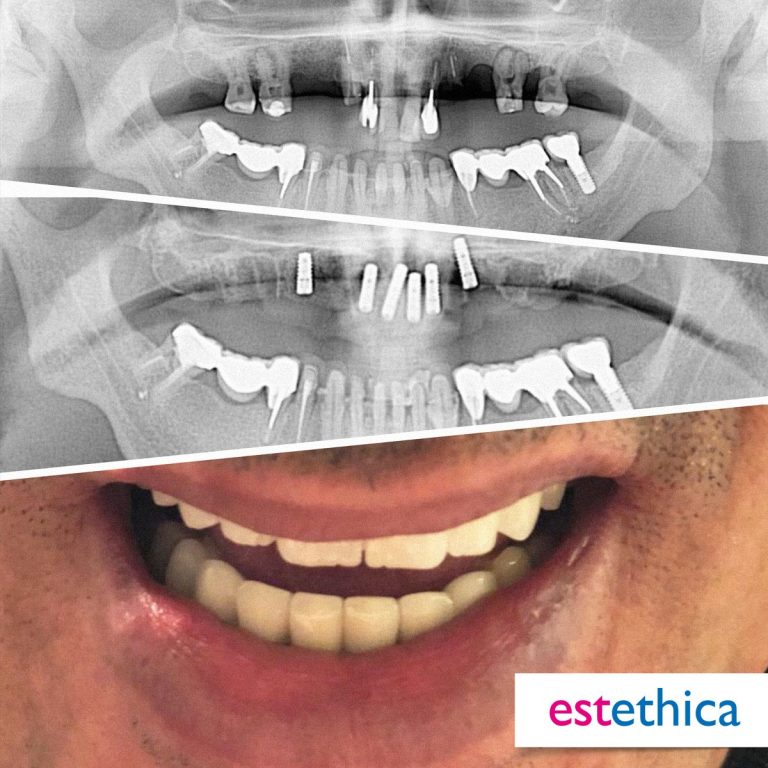
Dental implants are artificial dental roots placed in the jaw to support dental prostheses. Dental implants are generally chosen when there are missing teeth that damage dental and smile aesthetics. Artificial dental roots manufactured from materials such as titanium that are biocompatible with the tissue of the body and are inserted in a sterile environment via a small surgical procedure. The implants are completely adsorbed by the jaw bone within 2-3 months, becoming strong enough to support prostheses placed on top of them.
What are the differences between smart implant technology, which create a difference in dental and smile aesthetics, and standard implant procedures?
1 - Compatibility of the dental implant and jaw bone
Factors such as the implant’s material, design and surface structure, its insertion via a surgical procedure in a sterile environment without harming the jaw bone and the implant perfectly fitting the hole are the most important factors to obtain a compatible fit with the jaw bone.
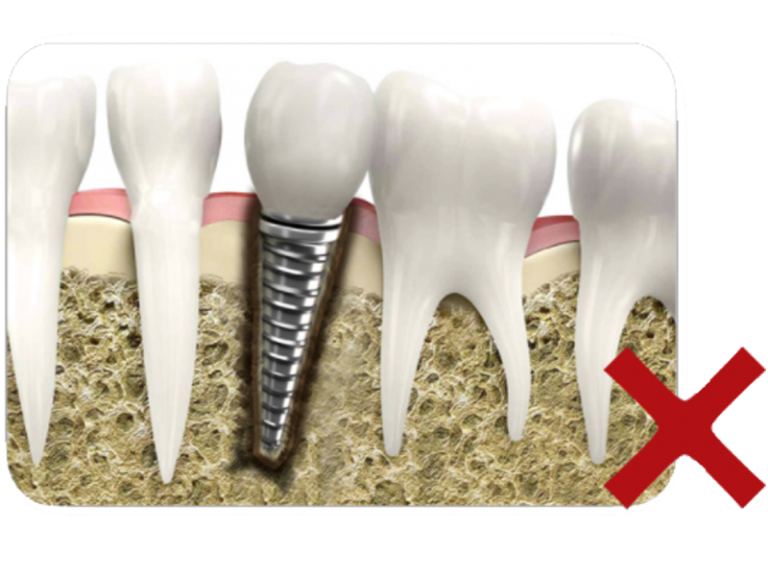
Standard implant
Implants not of a sufficient quality and not produced with high technology can cause the implant to have compatibility problems with the jaw bone. Procedures carried out by non-specialist dentists in unsuitable environments may reduce the implant’s compatibility with the jaw bone.
An implant incompatible with the jaw bone
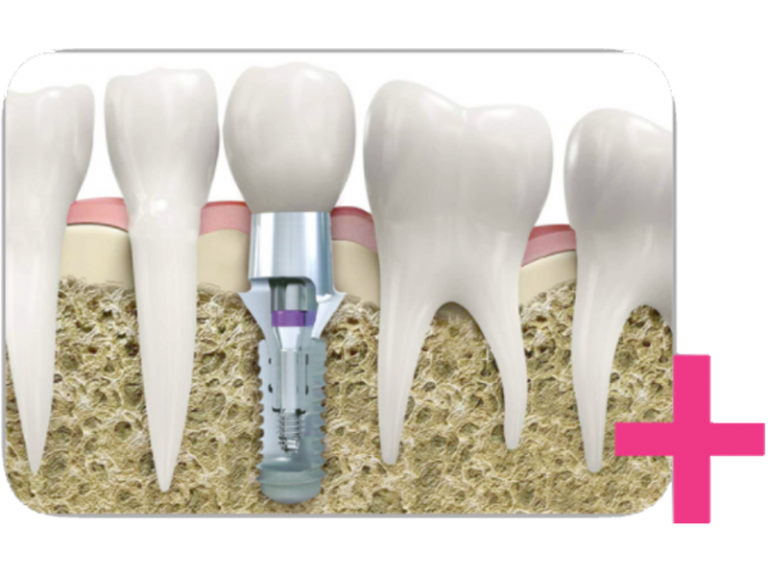
Smart Implant
The highest levels of compatibility are aimed for during implant procedures carried out by prosthodontists, oral and maxillofacial surgeons. Of the approximately 1000 types of implant available, only the world’s top three in terms of quality and jaw bone compatibility are used.
An implant compatible with the jaw bone
2 - Tooth and jaw bone healing timeline
A successful implant procedure is one where the implant is securely fixed in the jaw bone, the gum and jaw bone hold the implant and where the implant becomes a natural-looking part of the mouth.
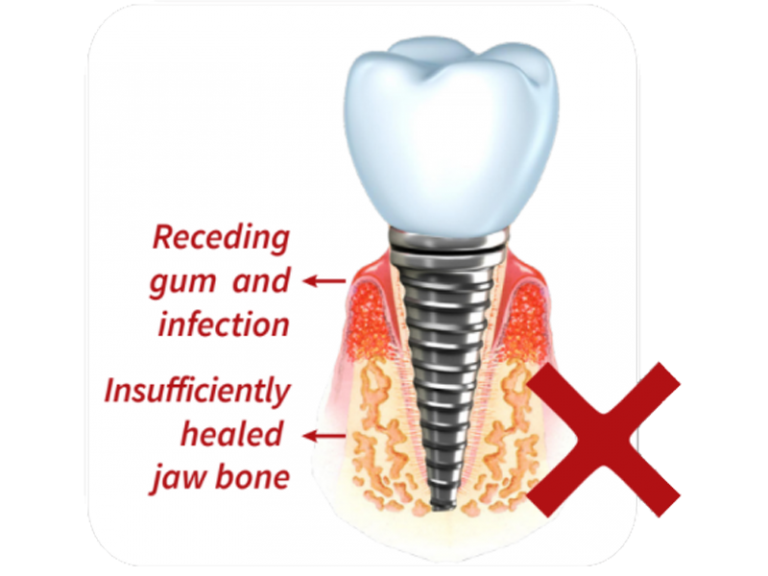
Standard implant
Standard implants may not be sufficient to support the healing of the jaw as they don’t have a special surface with three-dimensional details. They may be viewed as a foreign body by the body, causing receding gums, infections and damage in the jaw bone.
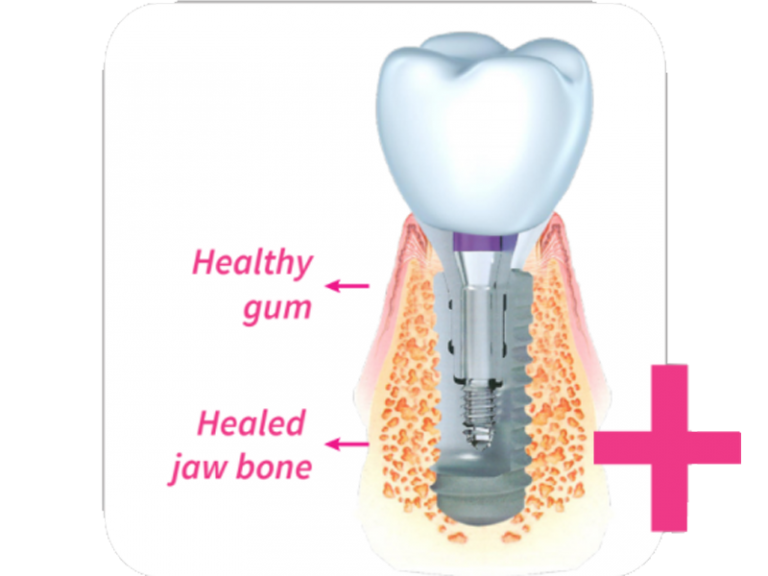
Smart Implant
At estethica, smart implants manufactured with high technology, that protect the area they are inserted into with the special surfaces, which are highly biocompatible with the body and which also speed up the healing process of the gum and jaw bone as well as supporting bone healing are used.
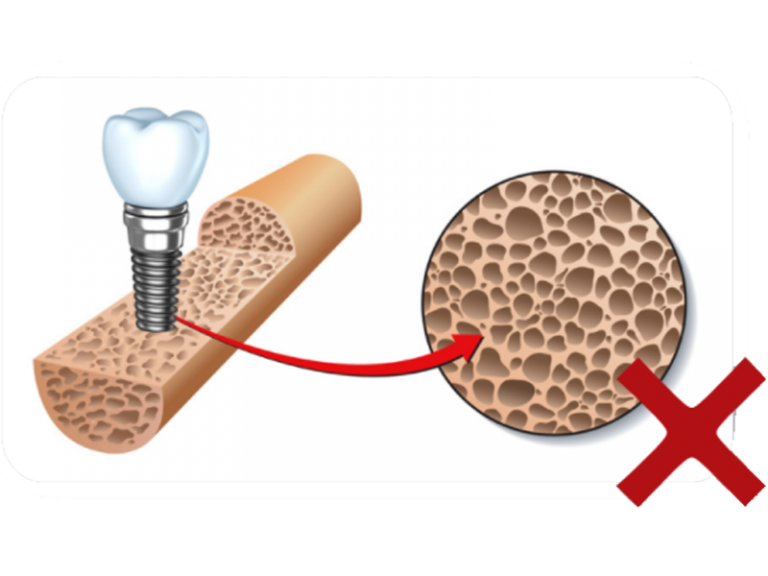
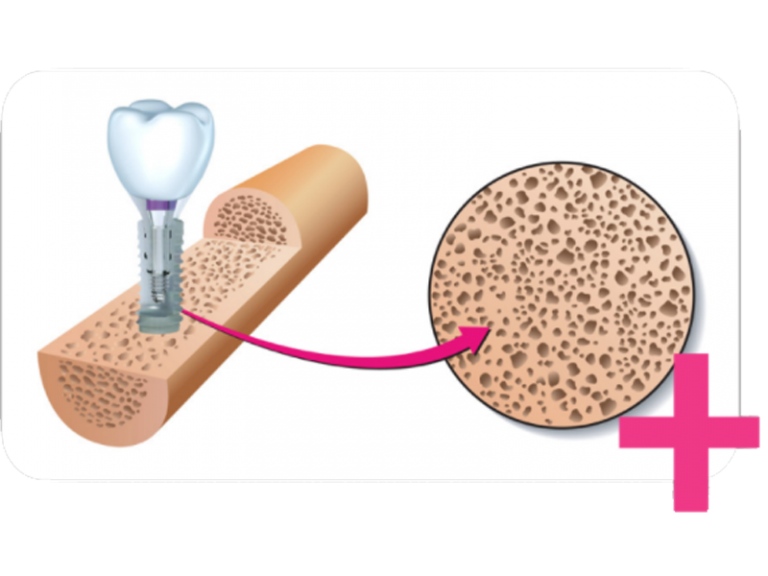
3 - An implant causing osteoporosis
Osteoporosis that can be seen with implants is one of the most important results that are not wanted and is often seen in diabetics, especially.
Standard implant
Areas with missing teeth are prone to bone loss. Implants not inserted in suitable conditions and which are made of standard materials increase the risk of bone loss.
Implant that has caused osteoporosis in the jaw bone.
Smart Implant
At estethica, only three implant brands with the world’s highest levels of quality are used, keeping the frequency of osteoporosis to the lowest levels and prevents osteoporosis from developing in the areas of the jaw with missing teeth.
An implant preventing osteoporosis in the jaw
4 - Structural stability of the implant
Healthy implants last almost as long as natural teeth. The highest quality implant materials used today are titanium and titanium alloys which are also known as ‘smart implants’ and which have high durability.
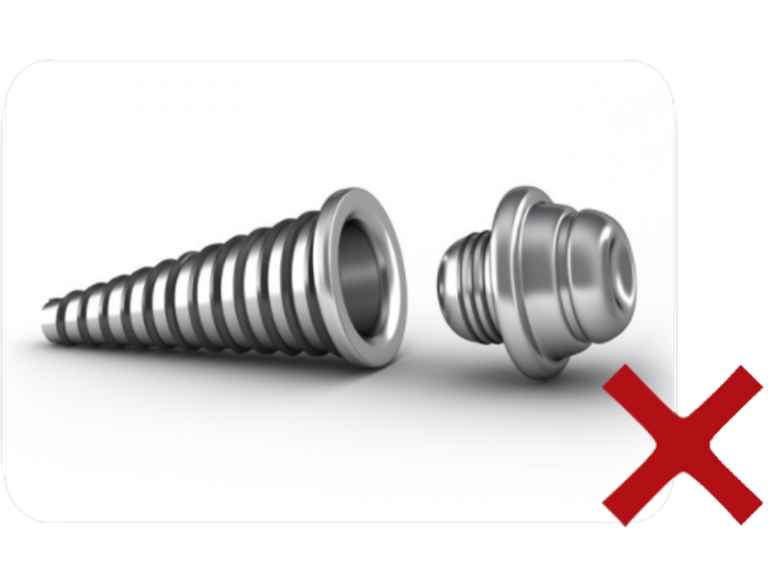
Standard implant
Areas with missing teeth are prone to bone loss. Implants not inserted in suitable conditions and which are made of standard materials increase the risk of bone loss.
A standard implant with low resilience
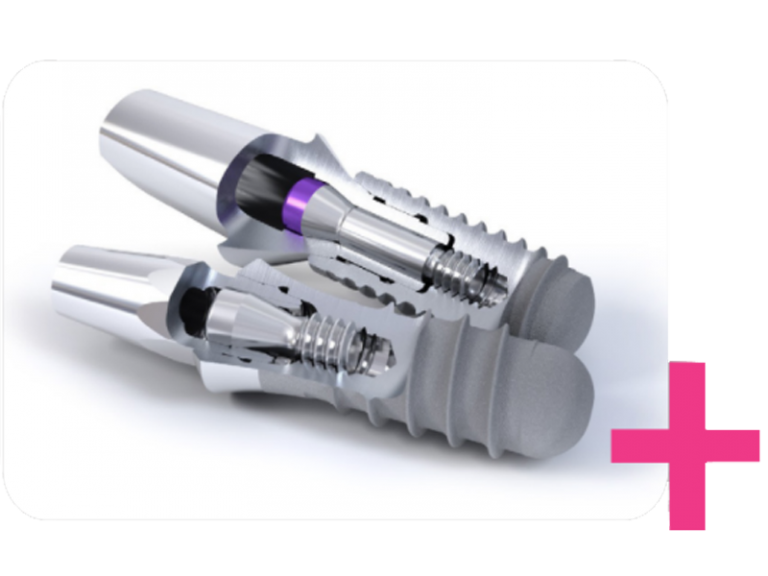
Smart Implant
At estethica, non-wearing smart implants that have a high degree of biocompatibility with body tissue, are resilient, don’t place pressure on the tissue with their low density, don’t cause discolouration or allergic reactions and which have a life-time warranty against manufacturing defects are used. After the procedure, our patients are given an ‘implant passport’ that highlights their authenticity.
Smart implant with high durability
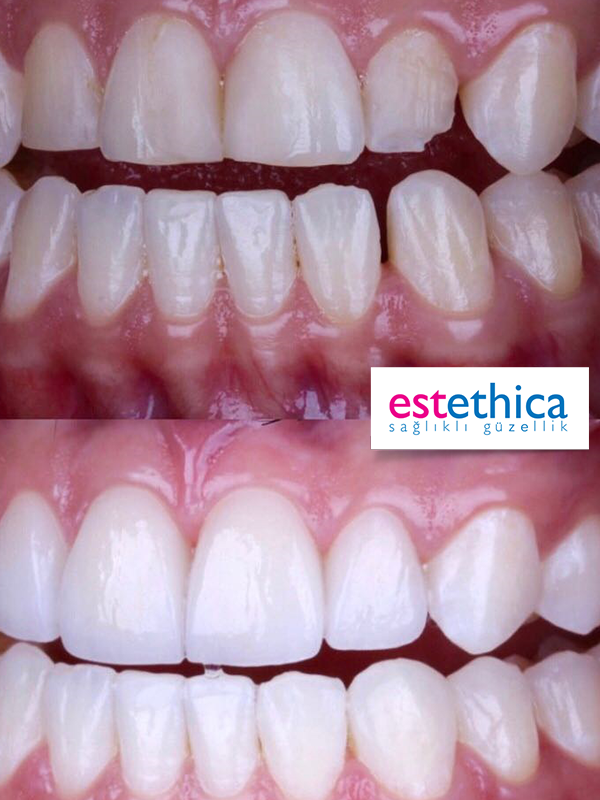
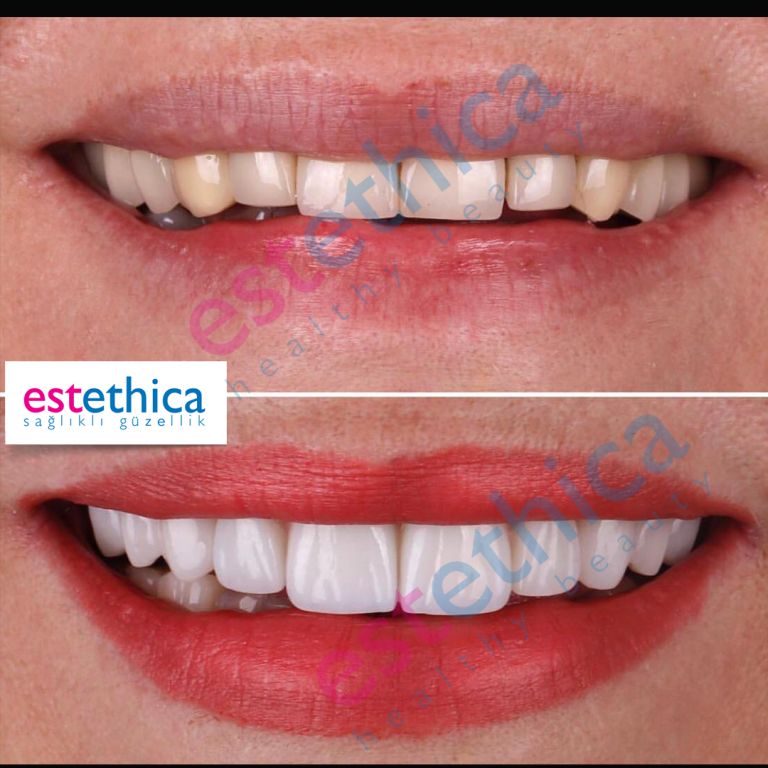
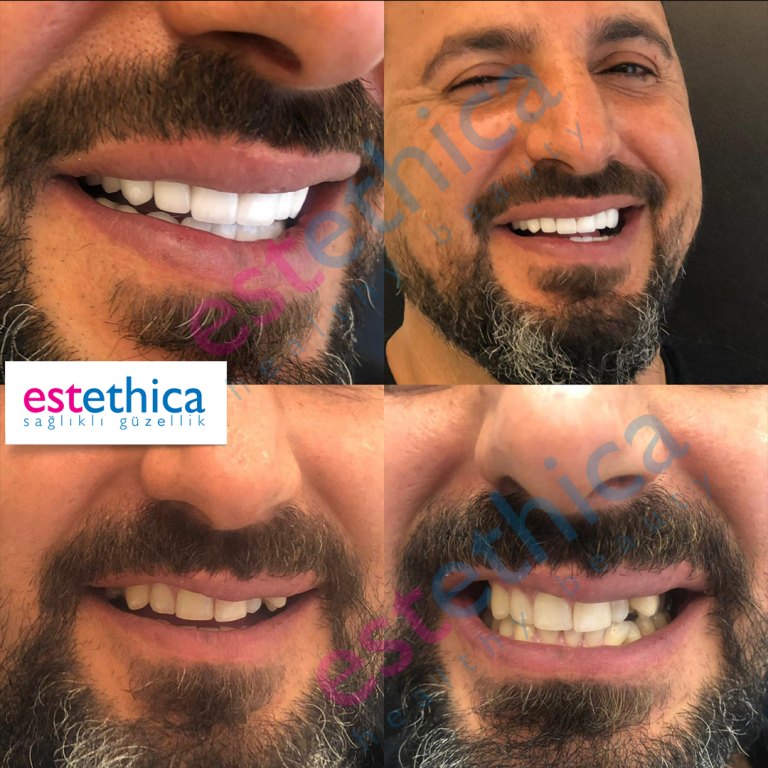
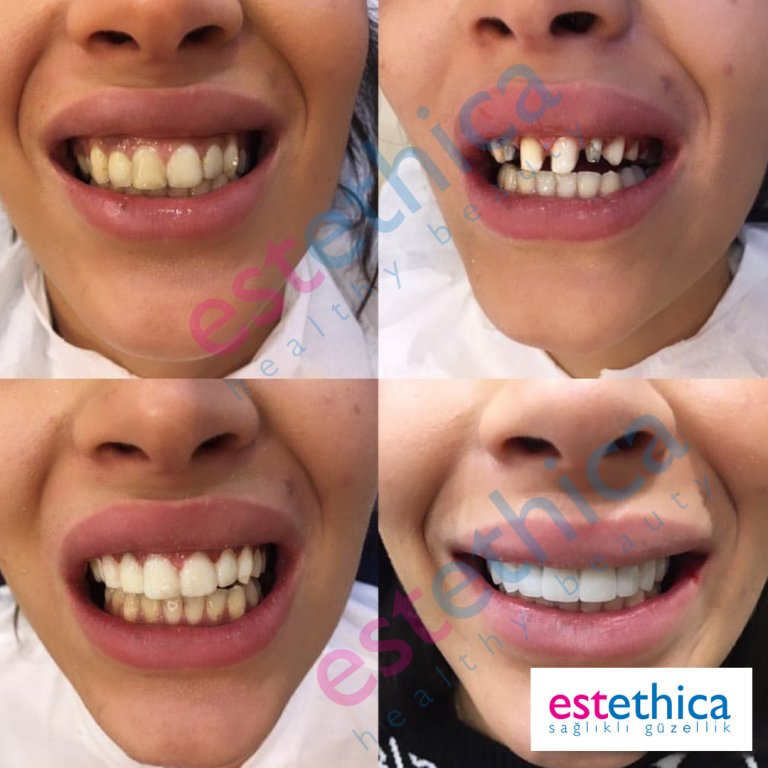
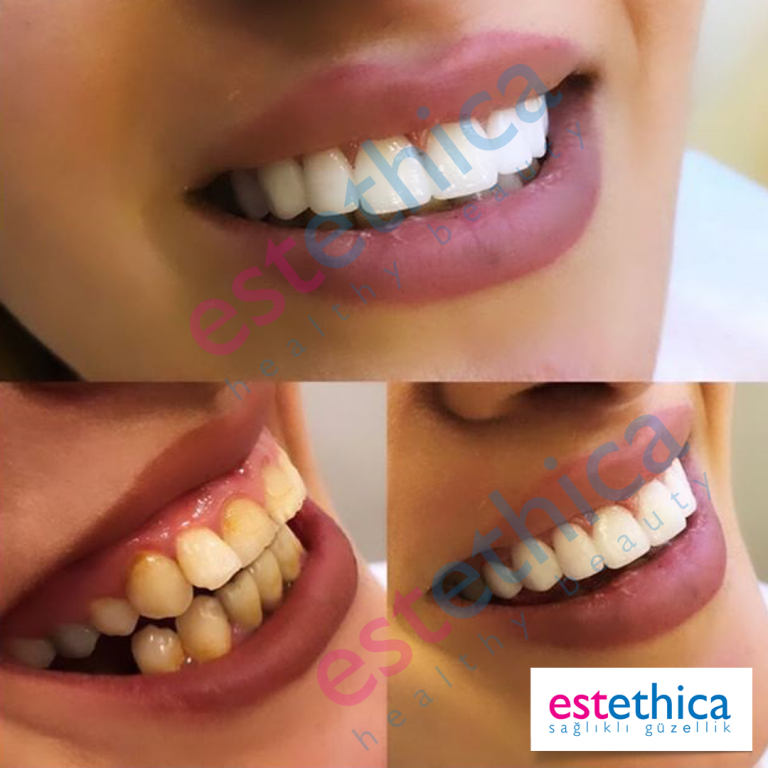
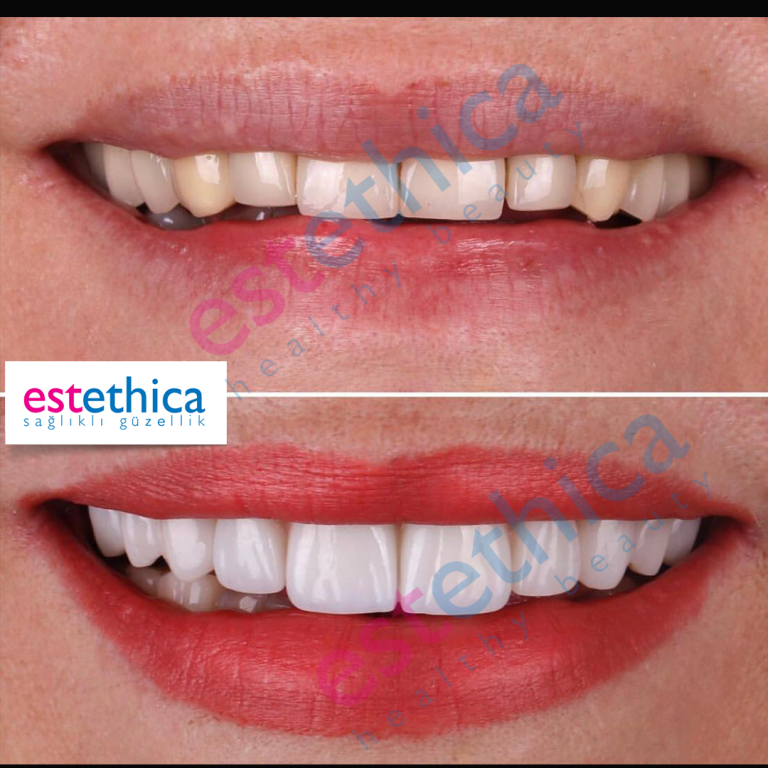
Before and After
Please fill in the below details to get a free consultation
Need Help?
We use cookies to ensure that we give you the best experience on our website. If you continue to use this site we will assume that you are happy with it.